
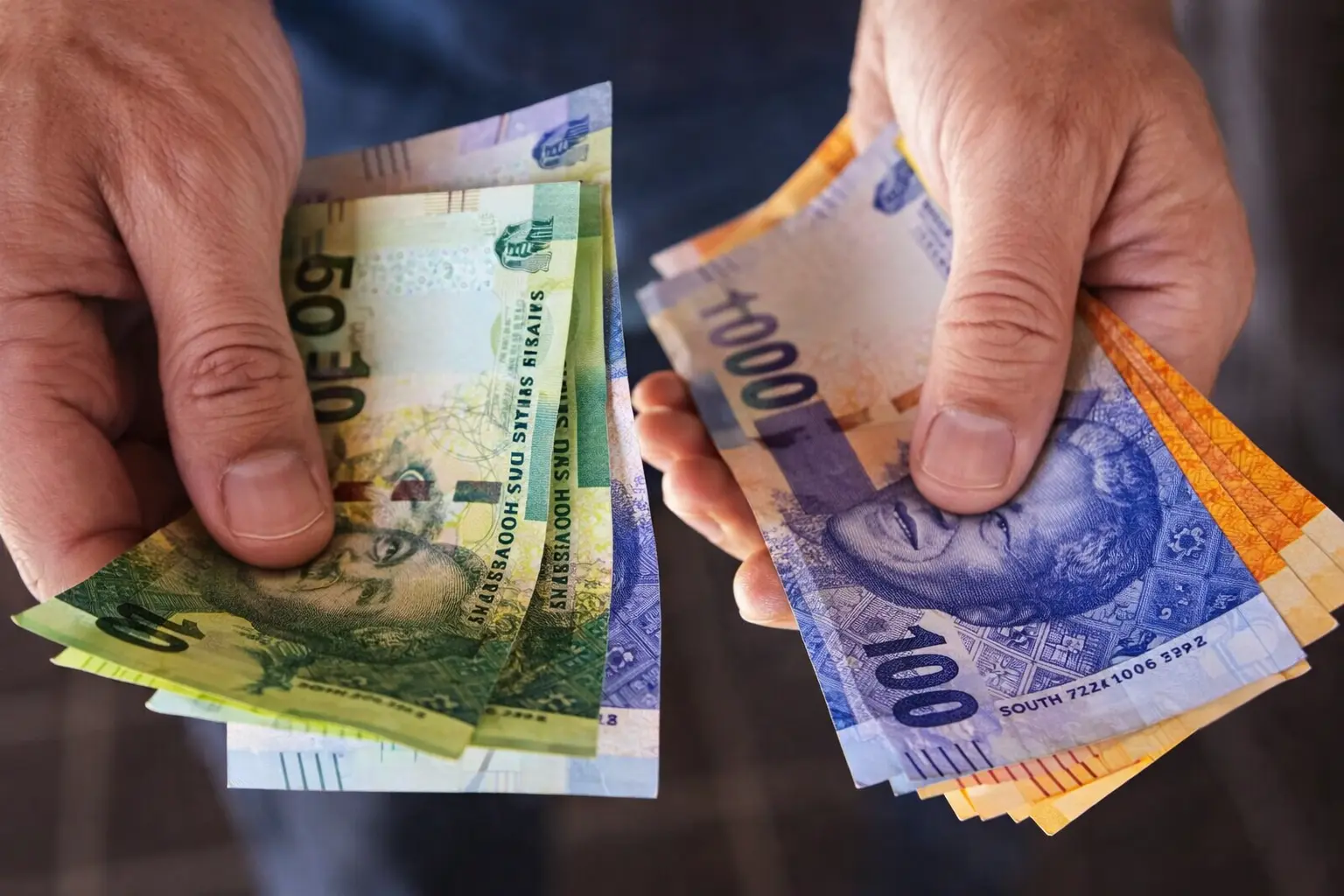
Every month, South Africans hand over a portion of their hard-earned money to the government. But most people have no idea where it actually goes. The 2026 National Budget has now made it clear — and the breakdown of every R100 you pay in tax is both eye-opening and, for many, deeply frustrating.
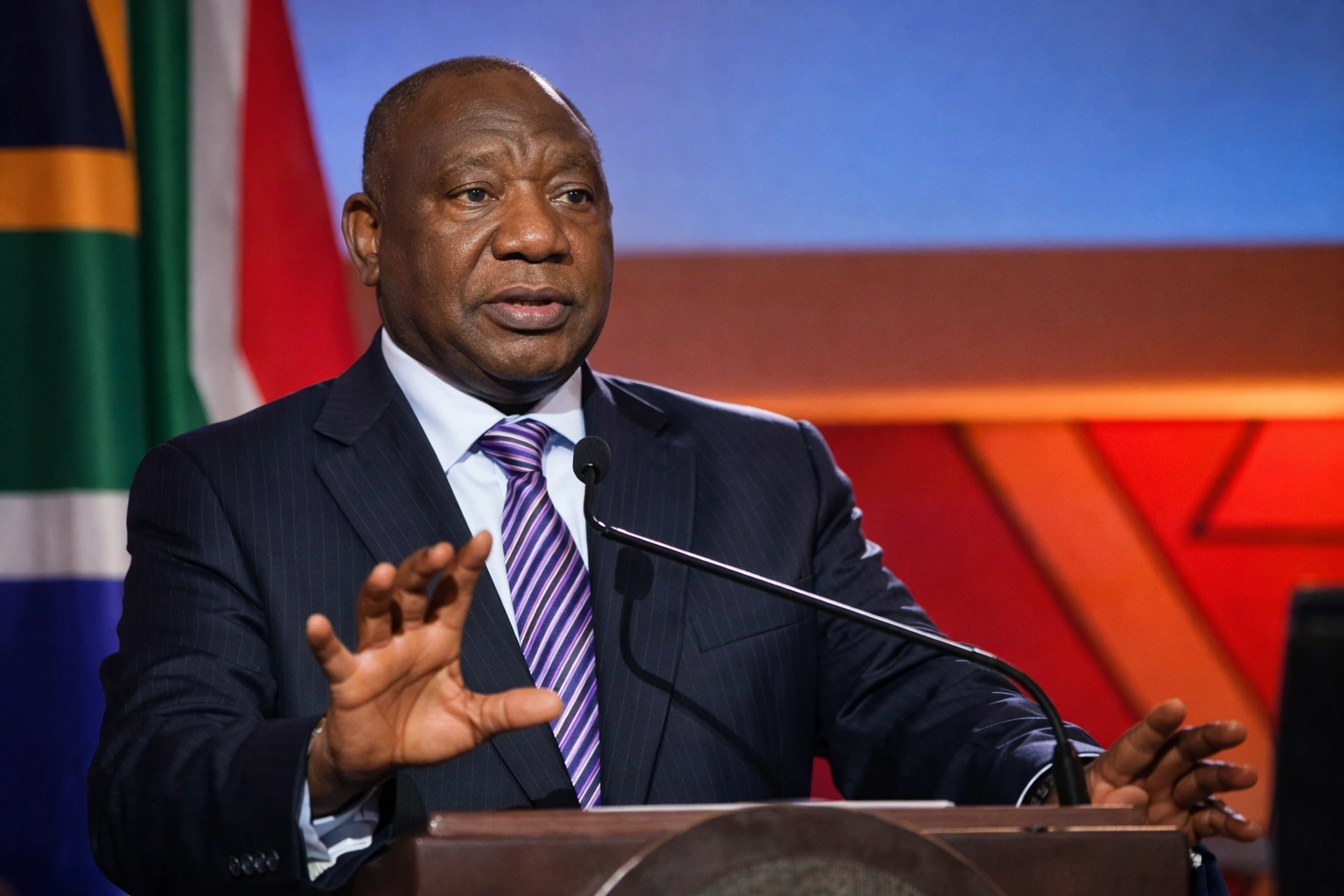
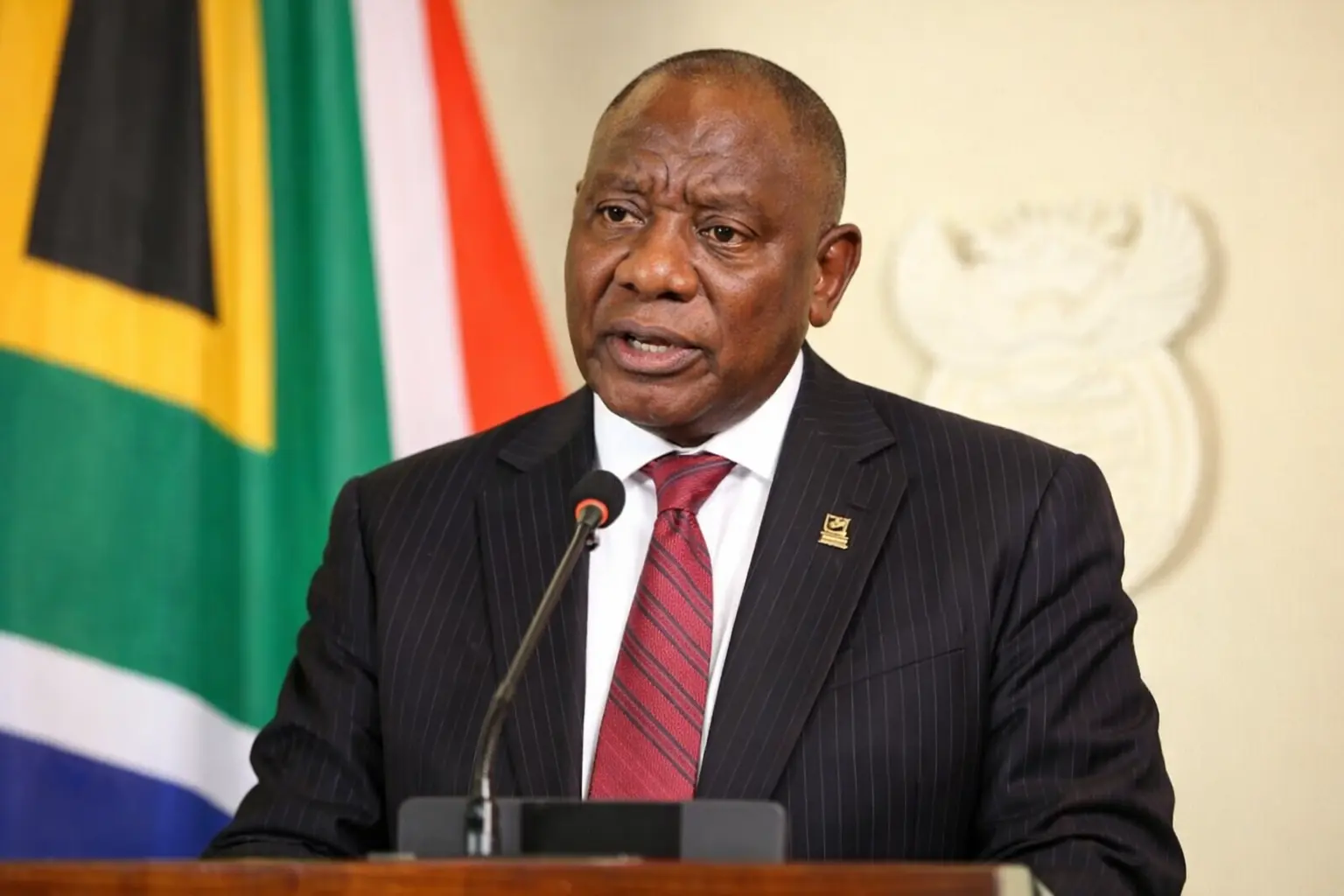
Finance Minister Enoch Godongwana presented the 2026 National Budget to Parliament and declared that South Africa has “turned a corner.” He said government debt is becoming more stable. But a closer look at how your money is being spent tells a more complicated story.
For every R100 the government spends, the biggest single amount — R16.20 — goes straight to debt servicing costs. This means paying interest on money the government has borrowed. That is more than what is spent on keeping you safe, keeping you healthy, or building roads.
Here is a simple breakdown showing exactly where your R100 goes:
| Category | Amount per R100 |
|---|---|
| Debt Servicing Costs | R16.20 |
| Basic Education | R13.49 |
| Social Protection (Grants) | R12.46 |
| Health | R11.53 |
| Community Development | R11.05 |
| Economic Regulation & Infrastructure | R6.78 |
| Post-School Education & Training | R5.65 |
| Police Services | R5.55 |
| Social Security Funds (UIF etc.) | R3.84 |
| Defence & State Security | R2.35 |
| Arts, Labour, Home Affairs | Less than R1 |
The numbers paint a clear picture. The government is spending more on repaying debt than it spends on basic education, healthcare, and police combined. That is a staggering reality for ordinary South Africans.
South Africa’s debt burden now sits at over R5 trillion, which is 76% of GDP. The government has not run a full budget surplus since the 2008 financial year. Years of consistent deficits have led to this mountain of debt.
Debt costs have climbed for several reasons. Low economic growth, averaging just 0.6% per year after inflation between 2017 and 2023, meant lower tax revenue came in. The Covid-19 pandemic added pressure, forcing the government to borrow more for emergency relief and social grants. Rising global interest rates and a weaker rand made things worse. Bailouts for struggling state entities like Eskom added further strain.
The government expects to collect R2.2 trillion in tax this year, but plans to spend R2.59 trillion, leaving a budget deficit of R370.4 billion. To cover that gap, the government keeps borrowing — which only adds to the debt that already swallows R16.20 of every R100 you pay.
Labour affairs, arts, culture, sports, and home affairs each receive less than R1 for every R100 spent. For a country battling high unemployment, this is a number worth paying attention to.
On a more hopeful note, the 2026 Budget shows a smaller shortfall than the previous year, alongside a R400-billion increase in economic output. South Africa’s GDP is expected to grow by 1.6% this year.
The government’s plan is to keep spending growth below inflation over time — a strategy known as fiscal consolidation — so that tax revenue eventually covers what the country spends. Whether that plan holds depends on economic growth, government discipline, and how well South Africa manages its enormous debt in the years ahead.
For now, every R100 you pay carries the weight of a nation still finding its financial footing.