
Something serious is happening with South Africa’s money right now. And if you pay for fuel, buy groceries, or simply care about the economy around you, this story affects you directly. Money is leaving South Africa at a fast pace. And it all comes down to fear.
Global investors are scared. When people with big money get scared, they do one thing first. They pull their cash out of places they see as risky and move it somewhere they call “safe.” Right now, South Africa is being seen as one of those risky places. This is not a new story, but the speed at which it is happening today is serious.
The main reason behind all of this is the growing conflict in the Middle East. Wars and tensions far from South Africa are hitting the country hard. Investec’s Chief Economist Annabel Bishop explained it in simple terms. She said that as global risk aversion rises, investors move away from countries like South Africa and rush into traditional safe places like the US dollar.
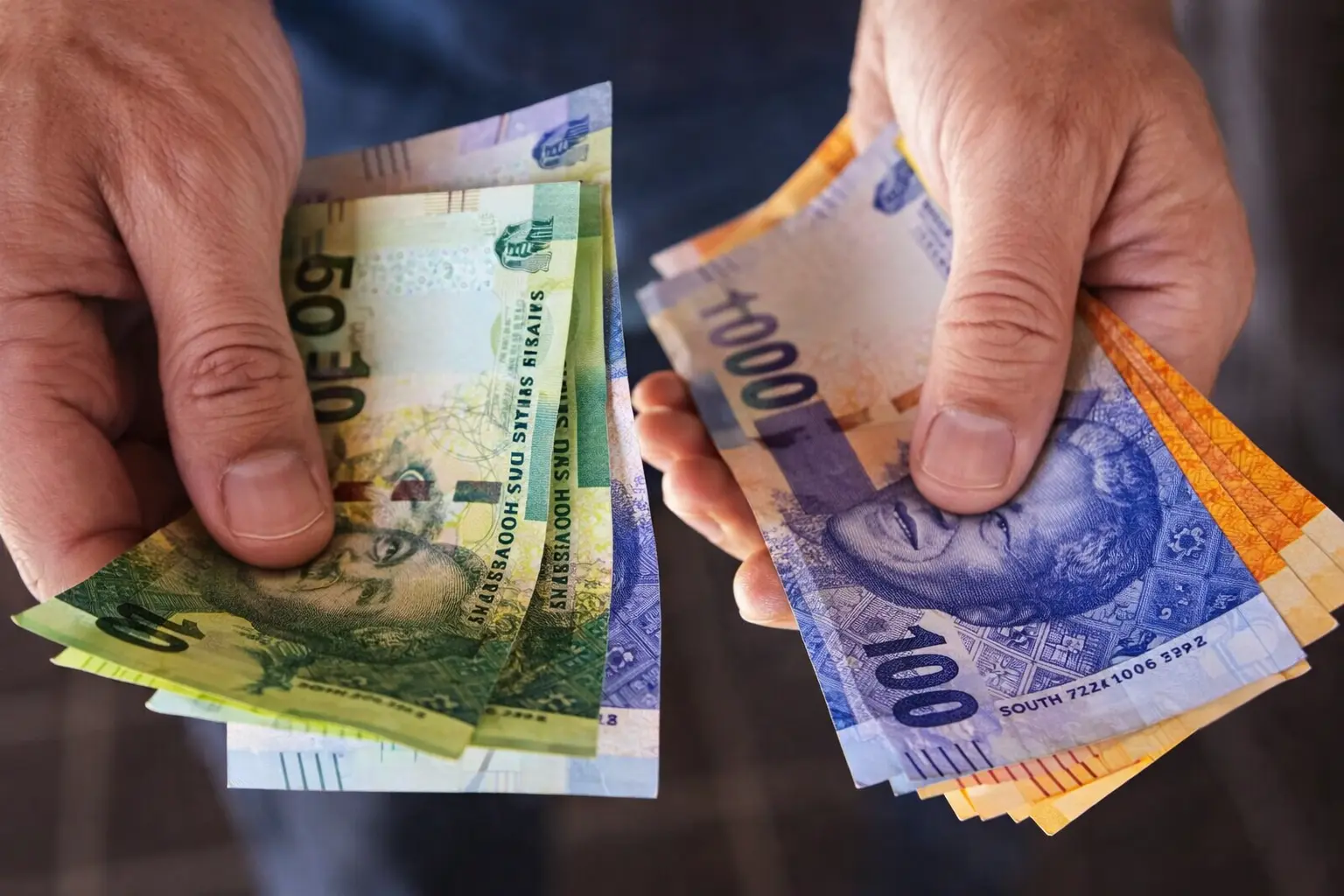
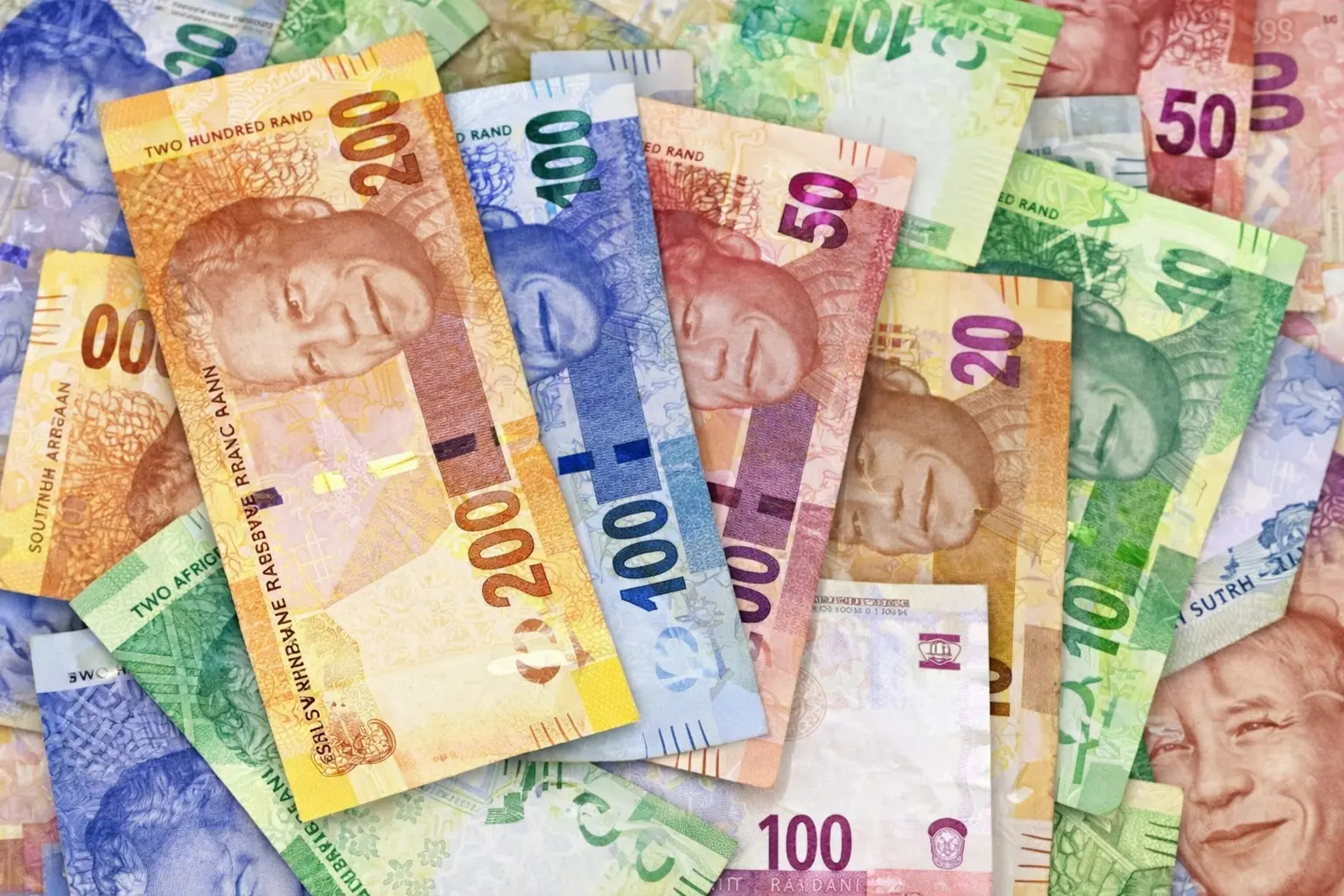
The result has been painful and quick to feel. The rand fell to R16.81 against the US dollar on Friday and was sitting around R16.86 on Monday. That kind of drop matters to every South African. It means imports become more expensive. It means fuel costs more. It means your groceries cost more too.
In fact, on Friday alone, foreigners sold R3 billion worth of South African bonds in a single day. That is not a small number. That is a massive withdrawal of trust from the country’s financial markets. South Africa’s government bond yield has also climbed back to levels last seen at the start of the year, which is not a good sign for borrowing costs.
But the story gets even more concerning when you look at oil prices. Because the Middle East conflict is near some of the world’s biggest oil suppliers, the oil price has jumped to close to US$110 per barrel. When the rand weakens at the same time that oil gets expensive, South Africans get hit from both sides. Bishop noted that the rand oil price surged to R1 814 per barrel, up from just R1 161 per barrel at the end of the previous month. That is a massive and rapid increase.
To put it in easy words, think of it this way. You are filling up your car and the fuel price jumps sharply. That same pressure also hits transport costs, which then push up food prices. Everything gets more expensive at once.
Shipping costs have also risen globally. This has pushed up the prices of basic things like oil and fertiliser. Bishop warned that this could cause a food price shock around the world, not just in South Africa.
For now, the South African Reserve Bank may choose to look past a short term spike in fuel driven inflation. But Bishop made it clear. If oil prices stay high for a long time, the Reserve Bank will have no choice but to act, which could mean keeping interest rates higher for longer.
The truth is that South Africa is not alone in this situation. Many countries in the developing world are seeing the same thing. But the rand’s weakness and the country’s heavy reliance on oil imports make the blow land harder here than in many other places.
What happens next depends largely on how long the Middle East tensions last. If they ease soon, money may return. If they do not, South Africans should brace themselves for higher fuel prices, a weaker rand, and growing pressure on everyday living costs.