
South Africa is facing one of its most serious fuel threats in decades. The Middle East war is not just a faraway problem anymore. It is hitting South Africans right where it hurts most. At the petrol pump. And things could get much worse before they get better.
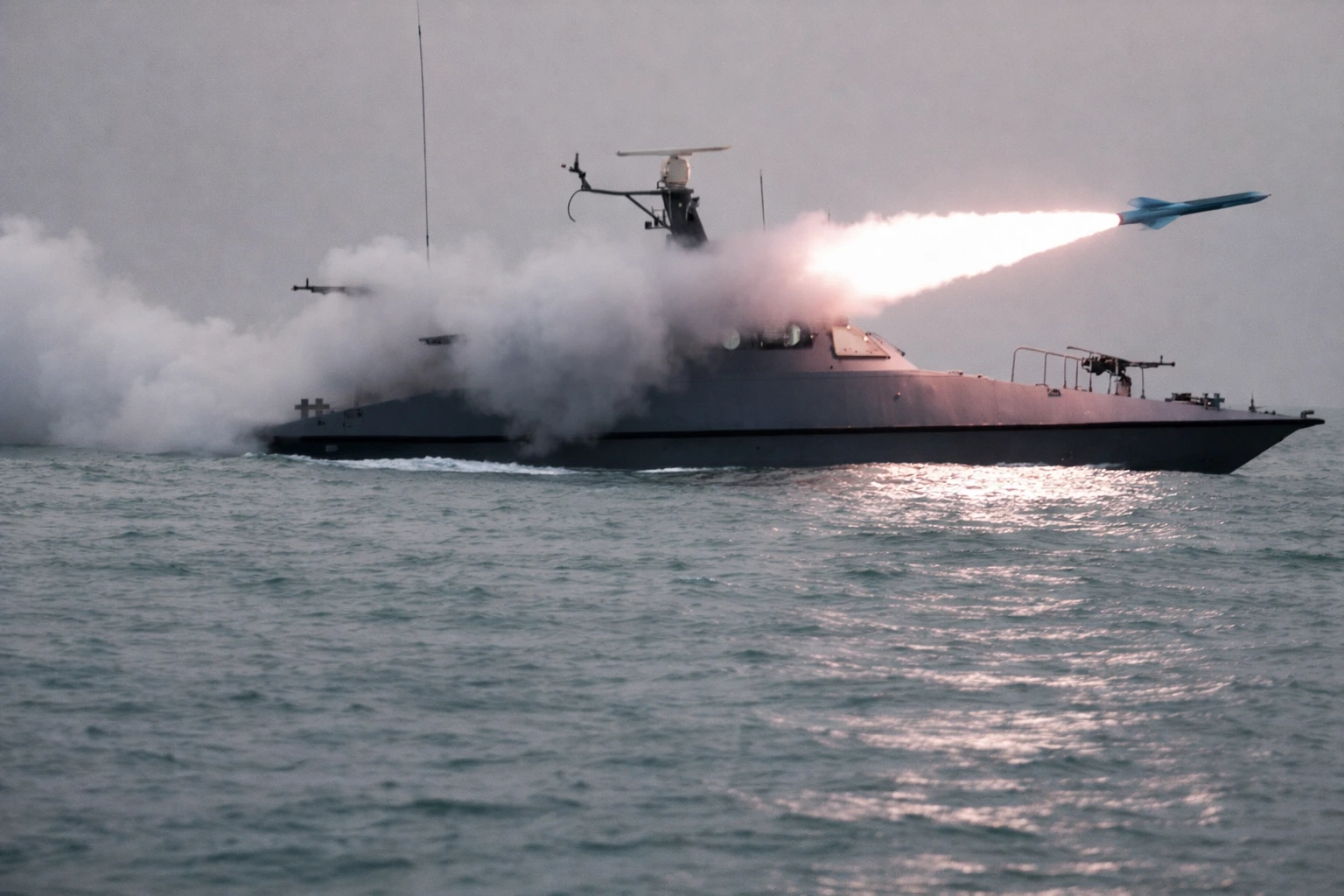
The conflict involving the United States, Israel, and Iran has sent oil prices shooting up fast. Brent crude, the global measure for oil, has jumped past $100 a barrel. That is a massive spike. And for South Africa, a country that imports most of its fuel, this is very bad news.
Petrol prices already went up in March 2026. Minister Gwede Mantashe confirmed petrol 93 and 95 each went up by 20 cents per litre. Diesel went up by more than 60 cents per litre. But that might be the easy part. Analysts are now warning that April 2026 could bring an increase of up to R4 per litre. Some say even more.
The real worry is not just the price. It is the supply. A massive shipping route called the Strait of Hormuz is being blocked. This is the waterway that most of South Africa’s oil travels through. Much of our fuel comes from the United Arab Emirates and other Gulf countries. If that route stays blocked, the country could run short of fuel entirely.
DA spokesperson James Lorimer said the situation is very hard to read because the government is not sharing enough information. He said if the blockage lasts two weeks, South Africa will be okay. But if it lasts two months, the country could be in serious trouble. He described the whole situation as “very opaque.” In simple English, that means nobody is giving the public a straight answer.
This is not the first time South Africa has faced a fuel crisis. Back in 1973, during the Arab-Israeli war, oil-producing countries stopped exports to the world. South Africa almost stopped working. The government at the time had to ban fuel sales at night and on weekends. The speed limit was cut to just 80km/h. That was a really painful time for ordinary people.
What makes today’s situation even more concerning is that South Africa no longer has the same backup plans it had back then. Many of the country’s refineries have shut down. The strategic fuel reserves have also reportedly been reduced due to corruption and mismanagement. That means the country is more exposed now than it was 50 years ago.
Sasol, which supplies about 39% of South Africa’s fuel, says it is still operating normally and has plans in place to handle market volatility. That gives some comfort. But it does not take away the bigger risk on the table.
Beyond the pumps, the knock-on effects of rising fuel costs are enormous. When diesel goes up, transport gets more expensive. When transport gets more expensive, food prices go up. When food prices go up, everything else follows. For ordinary workers who rely on public transport, each cent increase in fuel takes food off the table.
Economist Dawie Roodt said this in a very simple and direct way. Inflation will rise. Interest rates will stay high or go higher. Economic growth will slow down. Just a few weeks ago, there was hope that 2026 would bring some relief. That hope is now fading fast.
The fuel crisis unfolding right now is a loud reminder of how connected South Africa is to events happening thousands of kilometres away. And how little protection ordinary South Africans have when the world shakes.